Popular Korean Foods at Sopo Korean Eats: A Beginner’s Guide to What’s Actually Worth Trying

Korean food has moved well past its KBBQ reputation. You’ll find it at lunch counters, food halls, and fast-casual spots all over NYC, and the reasons aren’t hard to see. The flavors are bold but balanced. The portions are satisfying. And the learning curve is genuinely lower than most people expect.
If you’ve been curious but didn’t know where to start, this guide gives you a practical list of Korean foods with no fuss. Just the dishes worth knowing and how to approach them.
Why Korean Food Is Worth Exploring Right Now
Popular Korean food has found a real home in American fast-casual dining. It’s perfect for a weekday lunch option, a group-dinner fix, and an everyday craving for people who’ve tried it. A common myth is that Korean food is either too spicy or too unfamiliar to enjoy without prior experience.
Neither is the truth. The types of Korean food you’ll find at Sopo Korean Eats are built around approachable flavors: savory, tangy, slightly sweet, and deeply umami-forward. Heat is there if you want it, but it’s never the whole story.
Korean food fits naturally into everyday meals. You don’t need a special occasion to order a Korean plate or grab freshly-made kimbap on a Tuesday afternoon. That accessibility is exactly what makes it worth trying right now.
For anyone searching for popular Korean food in NYC, the fast-casual format makes it easier than ever to try without committing to a full sit-down experience.
The Popular Korean Foods List You Actually Need to Know

Here’s a practical breakdown of the most common Korean food dishes worth trying first, organized by what they are and what to expect.
Kimbap
Kimbap is rice, vegetables, and protein rolled tightly in dried seaweed and sliced into clean rounds. It’s one of the most famous Korean food items you’ll come across. Portable, light, and easy to eat with zero prior experience. The flavor is mild and savory, with each filling adding its own texture to every bite.
Freshly-made kimbap is a different experience from the packaged version. At Sopo Korean Eats, kimbap is made in-house. The rice is properly seasoned, the fillings are fresh, and the roll holds together the way it should. Once you’ve had it made fresh, the packaged version doesn’t compare.
Korean Plates
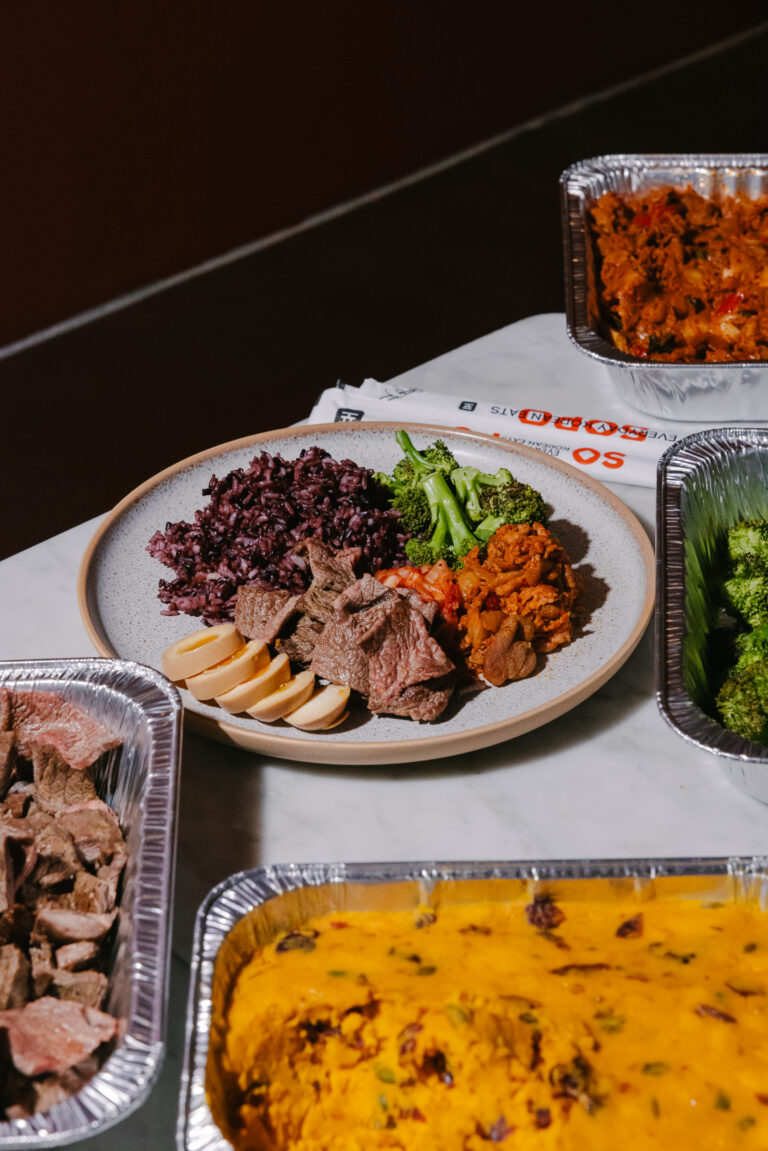
At Sopo Korean Eats, the meal format centers on plates. Choose a base from three, a protein, three sides from nine, and one sauce along with a choice of white rice, purple rice or SOPO Greens Mix. Proteins include smoked chicken, spicy pork, beef bulgogi, and crispy tofu; each with its own distinct flavor profile.
The housemade sauces are where the plates really come alive. Perilla Princess brings a herby, slightly floral note. Fire Sauce adds direct heat. Ssam Aioli is creamy with a savory edge. Sweet Heat does exactly what the name says. Each sauce shifts the experience of the same plate in a different direction, so don’t skip them.
Kimchi and Pickled Sides
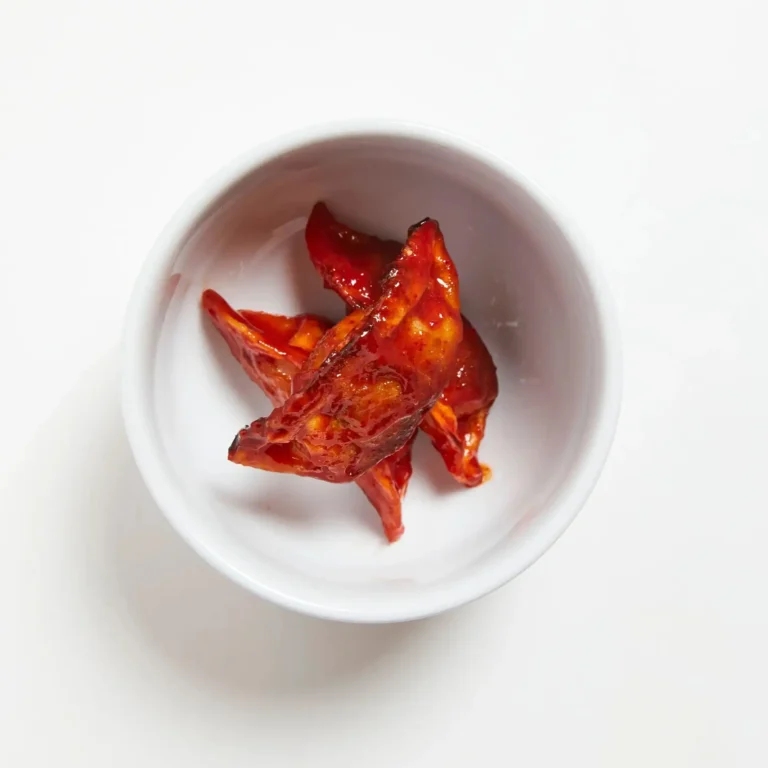
Kimchi is fermented cabbage seasoned with chili, garlic, and ginger. In Korean cuisine, kimchi is one of the most iconic banchan, the small side dishes served alongside the main plate. The flavor is tangy, funky, and layered in a way that’s hard to describe until you’ve actually tasted it. It’s not just a condiment. It’s a full-flavor element that changes how the rest of your plate tastes.
At Sopo Korean Eats, signature sides complement the main without overwhelming it. If you’re cautious about spice, kimchi is still worth trying. Fermentation mellows the heat over time, and what you’ll find at a fast-casual spot is typically more approachable than a deeply aged batch.
How to Build Your First Korean Plate at Sopo Korean Eats
Start with a protein. Our beef bulgogi is a reliable first pick. The flavor is familiar enough to feel comfortable but distinct enough to feel new. Pair it with a signature side or two and pick a sauce based on your heat preference.
Give the housemade sauces real attention. Try a small amount of each and see how they interact with your main. That’s where the types of Korean food at Sopo stop feeling like a plate of food and become an intentional meal.
What Makes Korean Food Different From Other Asian Cuisines in NYC
Fermentation sits at the center of Korean cooking. Kimchi, doenjang (fermented soybean paste), and gochujang (fermented chili paste) all depend on it, and that process builds depth of flavor you can’t get through seasoning alone. It’s what gives Korean food its distinctive tang and complexity.
Korean fast-casual, the format you’ll find at Sopo Korean Eats, differs from traditional sit-down formats in pace and presentation. You order at the counter, your plate is ready fast, and the experience is built for everyday eating. The flavors are the same. The format is just more accessible.
Tips for Ordering Popular Korean Food If You’re New to It
If you’re unsure where to start, our smoked chicken plate with Perilla Princess is a low-risk, high-flavor pick.
You can customize your plate without losing the Korean flavor profile. Swapping a sauce or adjusting your side selection doesn’t compromise the meal. It makes it yours.
If ordering takeout for a group, go family-style. A platter lets the table share Korean food dishes across multiple proteins and sides, which is a better way to explore the menu than everyone ordering the same thing. It also takes the pressure off anyone who isn’t sure what they want yet.
Dine in, order delivery, or arrange drop-off catering for office lunches and group events. The format makes popular Korean food accessible without stripping away what makes it worth eating.
Frequently Asked Questions
What is kimbap, and how is it different from sushi?
Kimbap is made with seasoned rice, cooked fillings, and sesame oil, giving it a more savory, slightly nutty flavor compared to sushi’s vinegar-based taste.
Do I need to know Korean food terms before ordering?
Not at all. Fast-casual spots like Sopo Korean Eats are designed to be easy to navigate, with clear menu options and a simple plate-building format.
Can I customize my Korean plate without losing authenticity?
Yes. Swapping sauces or sides still keeps the core flavor profile intact while letting you build a plate that fits your preferences.
Is Korean food a good option for group orders?
Definitely. Ordering family-style with multiple proteins and sides makes it easy for everyone to try different dishes without committing to just one.
Where can I try popular Korean food in Midtown NYC?”
Sopo Korean Eats at 463 7th Ave near Herald Square is a fast-casual Korean-American spot built for everyday lunch. The menu is focused, the format is simple, and no prior knowledge of Korean food is needed.
Popular Korean Food in New York City

Korean-American fast-casual restaurants like Sopo Korean Eats offer something that traditional Korean restaurants often don’t: a low-pressure entry point. You order at the counter, and you don’t need to know anything before you walk in.
For anyone new to Korean food, Sopo Korean Eats is the right starting point. The menu is focused, the flavors are well-executed, and there’s no pressure. Start simple, try a sauce you wouldn’t normally reach for, and build from there. Korean food offers a range of dishes that suit every taste and comfort level, and you don’t need to know the full history of the cuisine to enjoy a plate of spicy pork or a fresh roll of kimbap at lunch.
Try out Sopo’s Korean dishes and build your very own Korean plate.
Stay Connected with Sopo Korean Eats
Visit Our Midtown Location: 463 7th Ave, New York, NY 10018 (Near Herald Square)
Catering: View Corporate Catering Options
Instagram: @eatsopo – Follow for seasonal menu updates & events!