Kimbap vs Sushi: 5 Tasty Differences & Where to Try Handmade Kimbap

Both wrapped in seaweed, filled with rice, and easily eaten in one bite, kimbap and sushi are probably some of the most similar foods.
On the surface, they seem like cousins. They are both rolls of rice and fillings wrapped in seaweed. However, after just one bite of each, kimbap and sushi reveal completely different flavors. Kimbap has a nutty, hearty taste; it’s the perfect food for your lunchbox or an on-the-go snack. Sushi is delicate and vinegary and is usually paired with a dollop of wasabi.
At Sopo, we love making and eating kimbap; it’s one of our favorite foods to share. Kimbap is our proudest expression of Korean comfort culture, and every roll is freshly made and filled with love (and a little sesame oil).
In this blog, we will explore the delicious discourse of kimbap vs. sushi. We will discuss the differences between the two dishes, the flavors and ingredients, and why we believe kimbap is a tasty Korean street food that deserves more recognition.
What Is Kimbap? What Is Sushi?
Kimbap is wildly popular in Korea and comes as a rolled style of cooked ingredients, such as cooked (and seasoned) vegetables, egg, bulgogi, or tofu, rolled with sesame-seasoned rice in dried seaweed (gim). Kimbap is an easy go-to for picnic food, school lunches, and on-the-go snacks. Furthermore, kimbap is always cooked and delicious.
Sushi, on the other hand, is Japanese and always consists of rice with rice vinegar, conventionally with raw fish or seafood. Sushi is traditionally enjoyed in a sit-down way, but you can also eat nigiri, maki, or sashimi as casual snack foods.
Culturally, sushi leans towards refined, minimal, and elegant, whereas kimbap is homey, hearty, and flexible. You can find it rolled and wrapped at convenience stores in Seoul, or packed for vacations and road trips, or even for school and picnics.
Do you find the backgrounds of each dish interesting? Take a look at this kimbap and sushi.
Kimbap vs Sushi: 5 Key Differences

People often confuse sushi with kimbap, but here are five key differences that set them apart.
Difference 1: Ingredients
- Sushi is vinegared rice with raw fish, roe, or seafood on top.
- Kimbap is rice seasoned with sesame oil with cooked filling such as bulgogi, vegetables, or egg.
Difference 2: Flavor Profile
- Sushi is light, clean, and delicate. The rice is tangy, and the fish flavor shines.
- Kimbap is savory, nutty, slightly sweet, and often spicy. It’s bold and balanced in every bite.
Difference 3: Presentation
- Sushi is often served one bite-sized piece at a time, on a plate.
- Kimbap is cut into thicker pieces and often meant to be eaten by hand, picnic-style.
Difference 4: Common Fillings
- Sushi commonly has tuna, salmon, yellowtail, and roe.
- Kimbap commonly has beef bulgogi, pickled radish, spinach, egg, or tofu.
Difference 5: Occasion
- Sushi is often eaten in more formal settings or special meals, such as celebrations.
- Kimbap is casual for lunches, outdoor eats, and on-the-go snacks.
What’s Inside: Typical Kimbap Ingredients

Every roll is a comforting bite, from golden omelet strips to crunchy pickled radish. A classic kimbap roll starts with steamed rice flavored with sesame oil and sea salt and has different fillings, but these fillings are often what you’ll see:
- Pickled yellow radish (danmuji) for the sweet-sour crunch
- Sautéed spinach or carrots for some color and texture
- Thin strips of omelet for richness
- Beef bulgogi or marinated tofu for some savory depth
What makes kimbap really fun is its versatility. You can find variations with spicy tuna, cheese, kimchi, or even canned tuna mixed with mayo. Are you vegan? Want something spicy? Your search ends here.
At Sopo, we may be traditional at heart, but we also adapt to the busy lives we live. Our fast-casual concept will allow you to grab a fresh kimbap roll without losing the intention behind making it. Check Out Our Kimbap Menu.
Where to Find Kimbap Near You
You could reproduce it at home, or you could let us roll it for you.
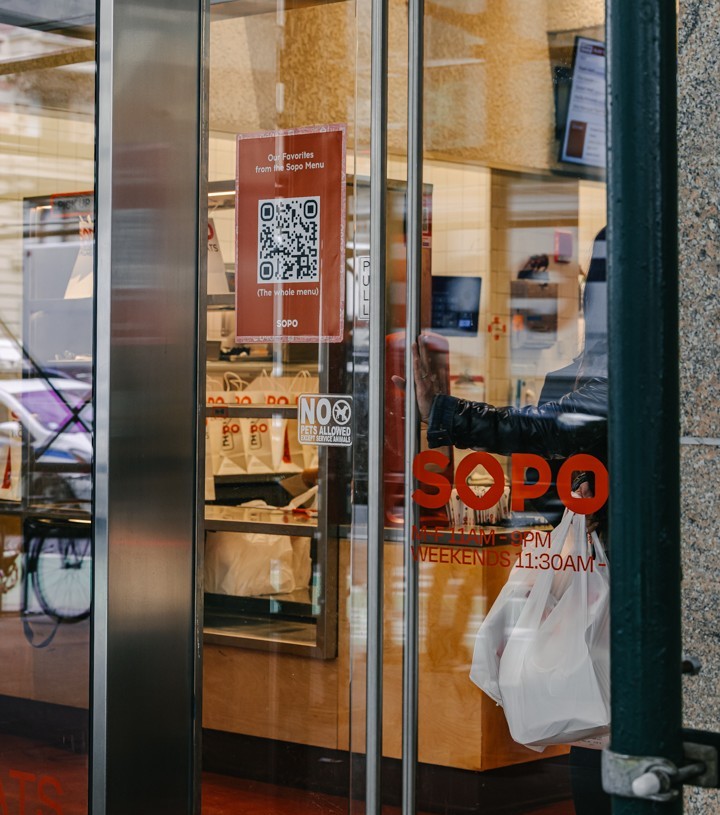
Fresh, handmade kimbap isn’t always available, especially outside of Korea. Most options you find are pre-packed or lack the morning freshness. That’s where we come in. At Sopo, we roll the kimbap in-house using real ingredients, traditional methods, and a whole bunch of love. It won’t just taste fresh; we prepared it fresh, whether you eat it on your lunch break or for a picnic.
You can get it in-store or order online for pickup or delivery. You can add it to a combo meal or build your own plate with your favorite sides.
Why We Love Kimbap at Sopo
It was what we took with us for school trips. It was what our moms prepared for us on Sunday mornings.
Kimbap is not just a roll for us. It’s a connection to weekend excursions, driving with family out of town, and enjoying the ingredients with family and laughter on our kitchen tables. It is filling and mobile but still multi-layered with texture and flavor. Each bite is a combination of chewy rice, salty-sweet bulgogi, crunchy vegetables, and a nutty finish with sesame oil.
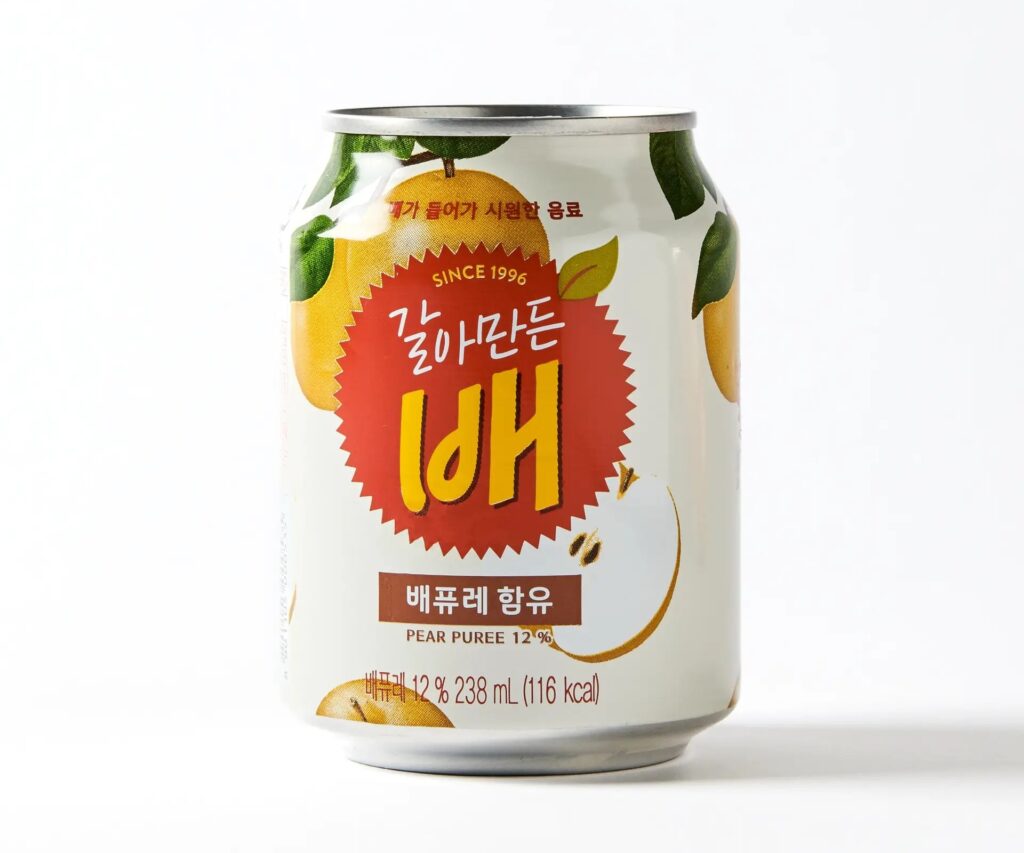
We prepare our kimbap fresh every day, just as we ourselves grew up eating. There are no shortcuts. There are only good ingredients, good rice, and handmade items. Kimbap also complements some of our other favorites on our menu. You can have it with some cucumber kimchi, or a fizzy Korean soda.
Eager to enjoy something bold, satisfying, and 100% cooked?
Sushi celebrates sophistication and the sublime luxury of eating raw fish, while kimbap gets you through real life. Lunch, a snack, and a piece of nostalgic pleasure rolled into seaweed and rice.
Now that you understand the distinction between kimbap and sushi, you can experience it firsthand.
Order a Roll (or Two) off our menu today. And we’ll have your roll wrapped and ready.