The Four Sauces at Sopo Korean Eats That Change Everything on a Plate

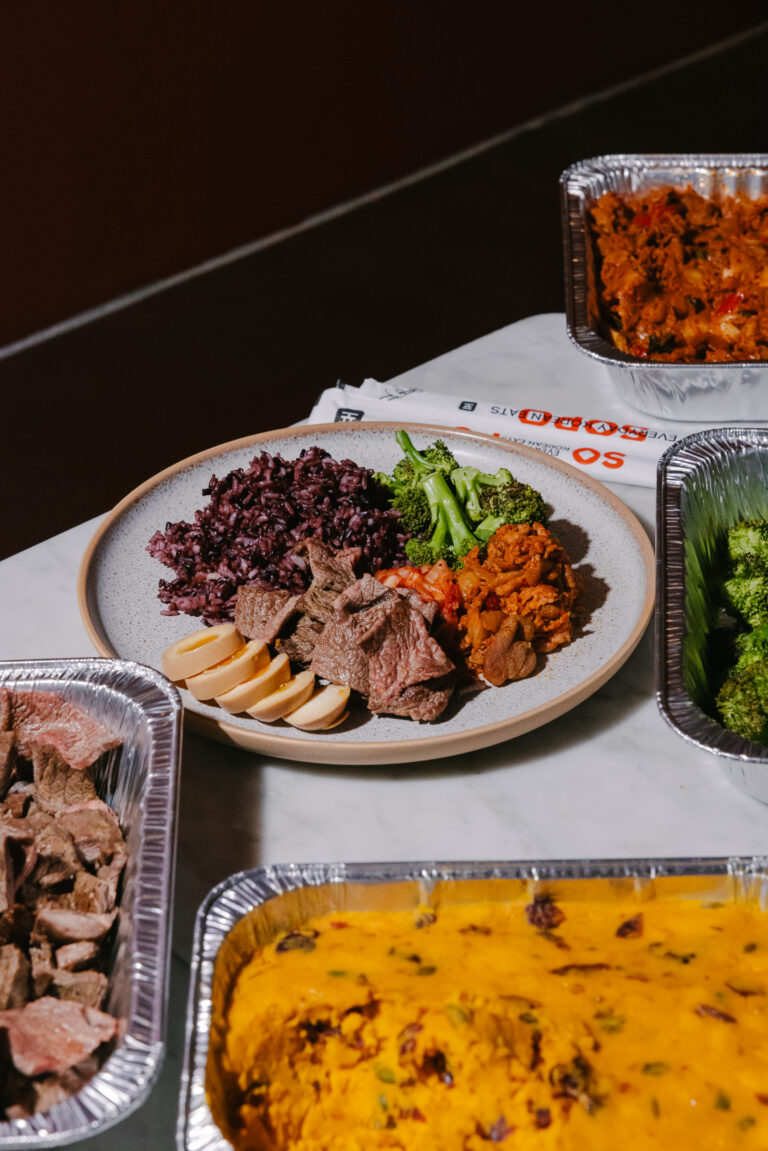
When you talk about building a delicious Korean plate, most people focus on the protein or the base, but the sauce is what actually brings everything together.
At Sopo Korean Eats, our everyday Korean plates are designed so that the base, protein, and sides work in balance. The sauce then finishes the plate and ties every bite together.
In this blog, we’re breaking down the Korean sauces our customers come back for, how each one changes the flavor of a plate, and how to choose the right one for your meal.
The Korean Sauce Rule at Sopo: Pick One, Then Build Around It
Before diving into the sauces, it helps to think about them the way we do when someone is ordering for the first time.
A sauce isn’t meant to overpower the plate. Instead, it works like a final seasoning that highlights the base, the protein, and the sides.
How We Tell First-Timers To Start
If you’ve never tried one of our sauces, we suggest starting light. Take one full bite that includes the base, protein, a side, and a little sauce. This first bite tells you how everything works together. From there, you can add more sauce for a stronger flavor.
Once you have already tried a few bites this way, it becomes easier to understand how each sauce shapes the overall plate.
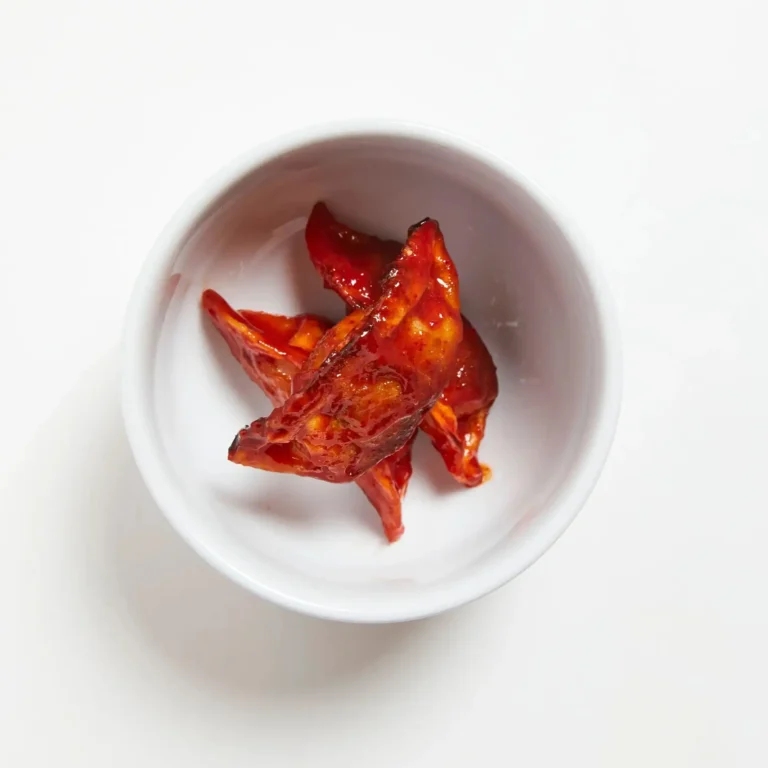
Sweet Heat: Sopo Korean Eats’ Spicy Korean Sauce
One of the most popular sauces on our menu is Sweet Heat. This sauce delivers a glossy finish with a flavor that starts slightly sweet, then builds into heat. It’s bold and lively, making rice bites feel instantly more exciting. For people searching for a satisfying spicy Korean sauce, this is usually the starting point.
When Sweet Heat Works Best
Sweet Heat works best when your plate needs an extra boost of energy. It pairs especially well with hearty proteins and sides because the sweetness balances the richness while the heat adds intensity. The result is a plate that feels more flavorful with every bite.
Our biggest tip is to drizzle first and not drown, and to use a bite of vegetables or rice between spicy bites to keep the flavors balanced.
Before moving to the next sauce, remember that spice works best when the rest of the plate still feels clear and balanced.
Ssamjang Aioli: Sopo’s Rich and Savory Korean Sauce
If you want something richer and smoother, reach for Ssamjang Aioli. Ssamjang is a traditional Korean condiment made from fermented soybean paste and chili; at Sopo Korean Eats, we’ve built it into a creamy aioli that works across every protein on the menu.
The ssamjang brings creamy texture and savory depth, making the plate feel more comforting. Instead of increasing the heat, it rounds out the flavors and creates a fuller, richer bite.
When Ssamjang Aioli Is The Right Call
Ssamjang Aioli works well when the plate already has strong flavors, and you want to soften them slightly. It gives the meal a smoother finish and helps balance punchy sides. A helpful trick is to swipe a little sauce on the base bite first, then follow with protein. Pairing it with greens or vegetables keeps the bite balanced.
After a few bites, you’ll notice that the plate feels smoother and more comforting overall.
Perilla Princess: Sopo’s Light and Aromatic Korean Sauce
While the first two sauces emphasize richness and heat, Perilla Princess focuses on a light finish. Perilla is a Korean herb with a flavor somewhere between mint and basil, bright, aromatic, and unmistakably Korean.
This sauce is aromatic and fresh, bringing brightness that makes the whole plate feel lighter without losing flavor. For many guests, it’s the most surprising sauce because it changes the meal’s rhythm.
When Perilla Princess Works Best
Perilla Princess works especially well when the plate is vegetable-forward or when you want a cleaner finish between bites. Because the flavor is aromatic, try to use it in smaller amounts to preserve freshness. Adding it to bites that include greens or lighter sides keeps the plate balanced.
Fire Sauce: Sopo’s Most Intense Korean Chilli Sauce
Fire Sauce is the one that comes in with pure momentum. It is a Korean chili flake sauce, which makes it the sharpest, most direct heat of the four. Our Fire Sauce is built on gochujang, the fermented Korean chili paste that gives Korean food its distinctive heat.
Fire Sauce is for the days when you want your plate to push back a little. It adds a cleaner, more aggressive heat than Sweet Heat, without the sweetness taking the lead. A little goes a long way, which is exactly why it works so well. It cuts through richer bites, wakes up rice and protein, and gives the whole plate a hotter, faster edge.
This is the sauce to reach for when your lunch needs an energy boost. If your plate already has savory depth and you want to turn the volume up, Fire Sauce does it quickly. The key is not to overdo it. Use just enough to sharpen the bite, not drown it.
Quick Korean Sauce Pairing Guide for a Better Plate

Once you understand what each sauce does, choosing becomes simple.
If You Want Spicy And Bold
Start with Sweet Heat, then add a touch of Perilla Princess for a brighter finish.
If You Want Savory And Comforting
Begin with Ssamjang Aioli and balance it with vegetable-heavy bites when you crave a comforting option.
If You Want Light And Clean
We start with Perilla Princess and use smaller amounts to create contrast on the sides. This keeps things both light and clean.
Learning these small adjustments can entirely change how a Korean plate tastes.
Common Mistakes First-Timers Make With Korean Sauces at Sopo
A few small mistakes can throw off the balance of a plate.
- Pouring a large amount of sauce can overpower the meal: start with a small drizzle and add more after the first bite.
- Using the same amount of sauce does not help: vary the amount depending on whether the bite is protein-heavy or vegetable-forward.
- Chasing heat instead of balance: the goal is a plate where every element still tastes distinct.
A plate tastes better when the flavors stay clear and layered rather than overwhelming.
Frequently Asked Questions
Which Sopo Korean Eats’ sauce should first-timers try?
Sweet Heat is a great starting point because it brings gentle sweetness, steady spice, and works well across many plates.
What is the richest Sopo Korean Eats’ sauce?
Ssamjang Aioli is the richest option. It adds creamy texture and savory depth without making the plate spicier.
Which Sopo Korean Eats’ sauce tastes the freshest?
Perilla Princess has the freshest profile. It feels aromatic, light, and especially good with greens or vegetable-forward plates.
Which Sopo Korean Eats’ sauce is the spiciest?
Fire Sauce is the hottest option. It brings direct Korean chili flake heat and works best in small amounts.
Can I use more than one sauce on a Korean plate?
Yes, some guests layer sauces for a more complex flavor. A common combination is a base of Ssamjang Aioli, drizzled with Sweet Heat for richness and a spicy finish.
Sauce is The Shortcut To A Better Plate

When you think about sauces the right way, building a plate becomes much easier. Different sauces react to our plates differently. When you combine sauces carefully, the plate feels even more intentional.
Check out Sopo Korean Eats’ house-made sauces based on the flavor you want, and the rest of the plate falls perfectly into place. Whether you’re building a plate for a solo Midtown lunch or ordering for an office team near Penn Station, the right sauce makes everything work.
Stay Connected With Sopo
Visit Our Midtown Location: 463 7th Ave, New York, NY 10018 (Near Herald Square)
Catering: View Corporate Catering Options