Korean Rice Bowl in NYC: Why Ours Comes as a Plate

Korean Rice Bowl in NYC: Why Ours Comes as a Plate
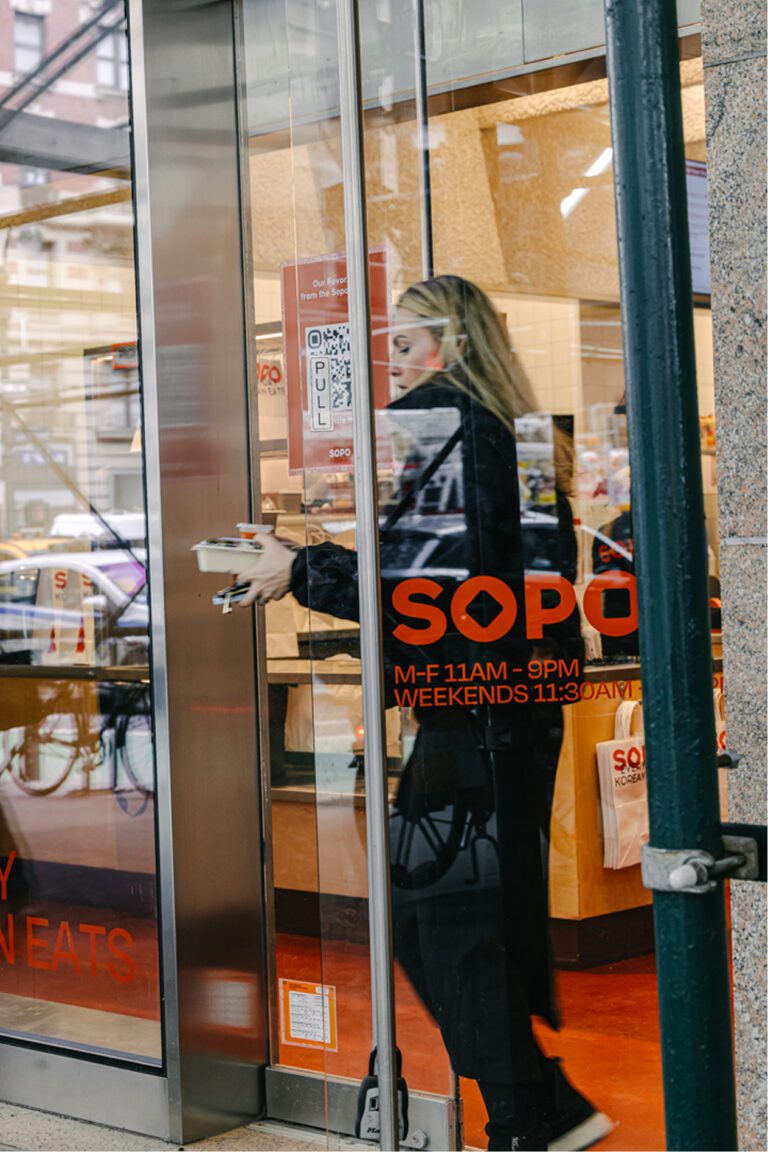
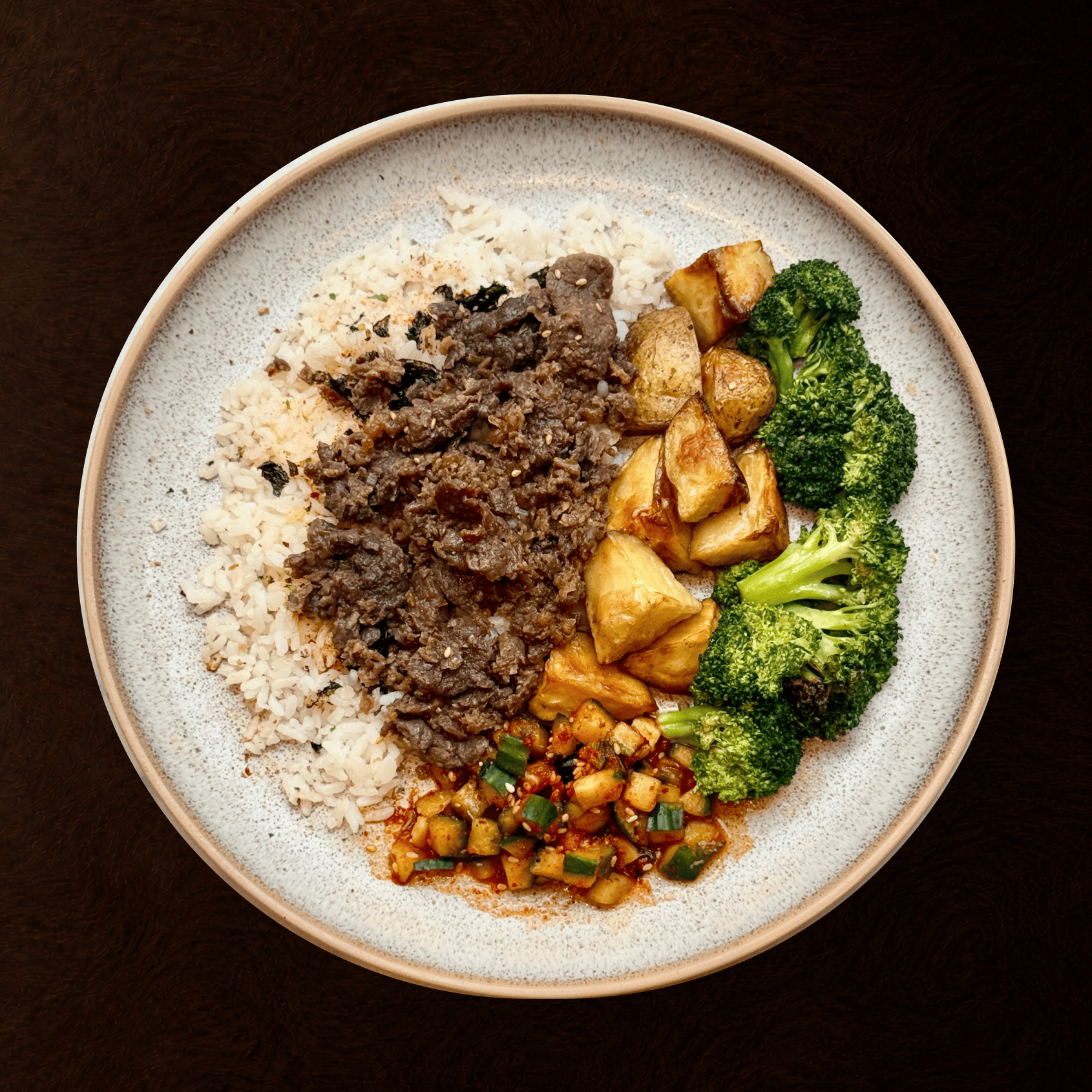
If you are hunting for a Korean rice bowl NYC has at lunch, you probably have a picture in your head already: one container, rice at the bottom, something marinated piled on top, sauce over everything. That is a reasonable thing to want, and it is what the search term usually means. What Sopo Korean Eats serves at 463 7th Ave, New York, NY 10018, near Herald Square, is a plate, with the rice, the protein and three sides sitting beside each other rather than stacked. The reason has less to do with plating than with the way a Korean meal is actually set out.
In Korea, the rice and the dishes that go with it arrive at the same time, in separate vessels, on one table. Keeping them apart is the whole idea. You take a bite of rice, a bite of something else, and you set the ratio yourself as you go. That habit is what our plate is built around.
What a Korean rice bowl NYC search is usually after
Three different meals hide behind that one phrase. Some people mean bibimbap, where rice, vegetables, egg and gochujang get mixed in the bowl before the first bite. Some mean a protein fanned over rice, borrowed from Japanese counters. Most people mean something simpler: a complete, warm, portioned lunch that is mostly rice and mostly good.
That third group is the biggest, and it is the one we are built for. The format we serve gives you the same thing a rice bowl promises, which is one order that turns into one full lunch, while leaving the components distinguishable enough that you can eat them in whatever order you like.
한상: one table, everything at once
The Korean word for how a meal is set is 한상, which translates roughly as one full table. Rice goes in its own bowl. The dishes that accompany it go in their own small plates. They all land in front of you together, and nobody combines them for you in the kitchen.
It is a quiet piece of design. A bite of rice resets your palate between a fermented thing and a sweet thing, which is why kimchi and sweet soy potatoes can sit on the same table without fighting. Mix all of it into one mass and you get one flavor repeated twenty times. Keep it separate and you get twenty slightly different bites out of the same lunch.
What is on a Sopo plate
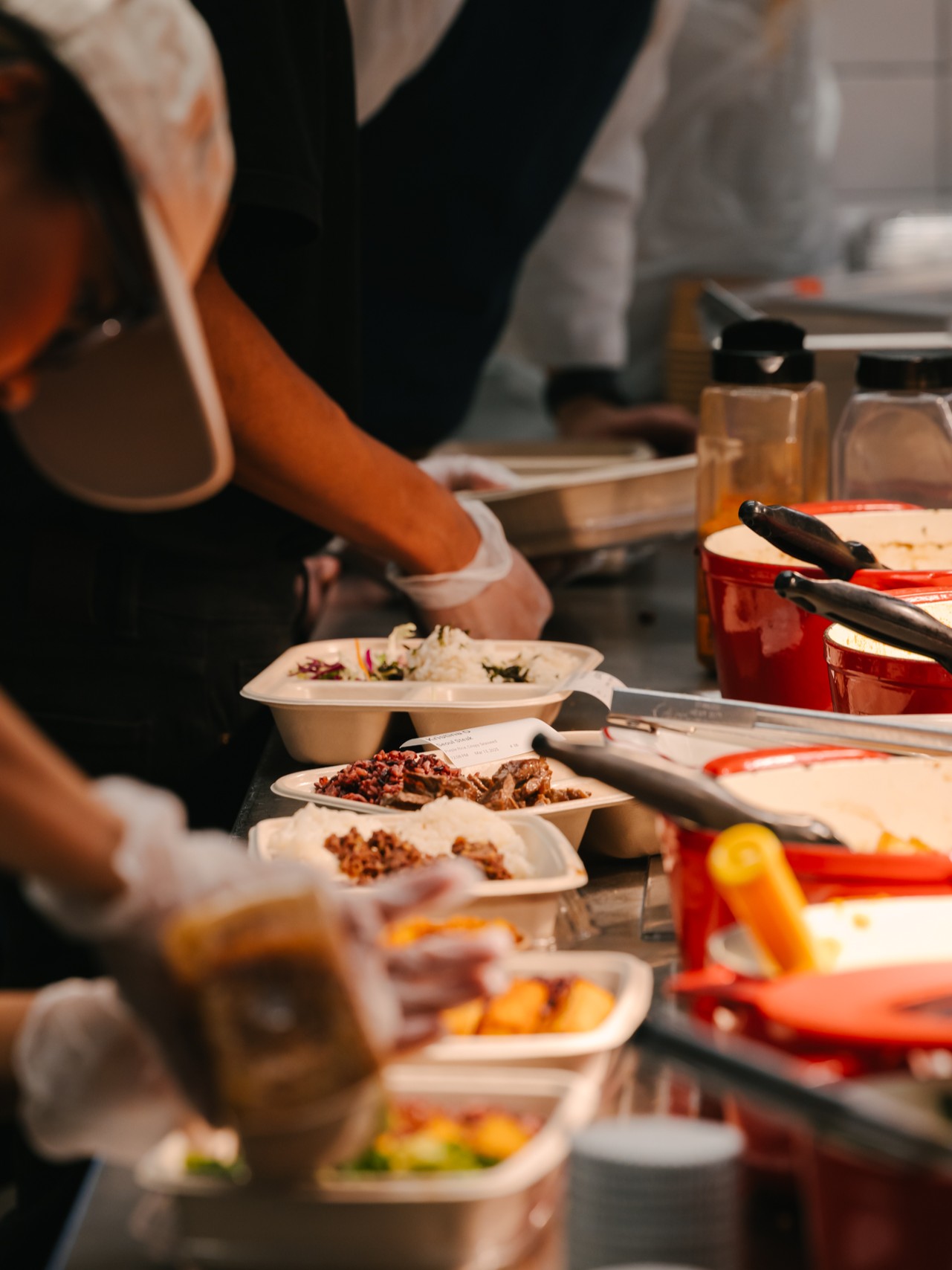
You build it rather than choose it off a list. Pick a base of white rice, purple rice or the SOPO Greens mix. Pick one protein from smoked chicken, spicy pork, beef bulgogi or crispy tofu. Pick three sides from nine. Finish with one of four house sauces. Those four choices run into the hundreds of combinations, and ordering still takes about a minute, because everything is prepped and portioned before the lunch rush starts.
The packing follows the same principle as the table. Components go next to each other in the container, so the rice stays rice and the kimchi stays crisp on the walk back to your desk.
So is this bibimbap?
Bibimbap is not on our menu, and we would rather say so plainly than let the menu imply otherwise. What arrives is a plate with everything set out separately. Plenty of customers stir the whole thing together once they sit down, and that is a completely reasonable way to eat it. The verb is 비비다, to mix, and it is where bibimbap gets its name.
So if bibimbap is what you came for, 비벼 it. Stir the whole plate together at the table and you have made your own, out of the base, the protein, the three sides and the sauce you picked yourself rather than a combination someone fixed in a kitchen. That is the versatile part. The plate arrives separated, and whether it stays separated is up to you.
Why separate holds up better at a desk
Most of Midtown eats lunch at a desk whether it planned to or not, and that puts a twenty minute delay between the counter and the first bite. A pre-mixed bowl spends those twenty minutes turning into one texture. A plate with the components apart arrives in roughly the condition it left in, and the sauce is still on the side if you want to add it then rather than now.
Three sides from nine, which is most of the plate
First-timers treat the three sides as something secondary and then discover they are most of the meal. The nine are napa cabbage kimchi, cucumber kimchi, kimchi salad, garlic broccoli, kale namul, sweet soy roasted potato, soy-dipped egg, gold pumpkin mash and saucy dumplings.
These are the parts made fresh through the day, and the kimchi is fermented in house. Choosing three from nine means a plate is vegetable-forward before you have thought about it, and the SOPO Greens base is there for anyone skipping rice entirely. Eating here twice in a week is not eating the same lunch twice.
Four house sauces, and the pairings to start from
The sauce carries more of the plate than its size suggests. Perilla Princess is built on perilla, the Korean herb, and it is the one that surprises people. Fire Sauce is direct heat. Ssam Aioli is creamy with a savory edge. Sweet Heat leads with sweetness and brings heat behind it.
If you would rather not spend your break deciding, the signature plates come already paired. Beef bulgogi comes with Ssam Aioli, which is the combination to start from. The Vegan Plate comes with Sweet Heat and the Gluten Free Plate with Perilla Princess. The Gluten Free Plate is built from gluten-free components, and it is made in a kitchen that also handles wheat, so if you are ordering for someone with celiac disease, ask us first.
Where we are, and how far the walk is
463 7th Ave sits a block from Herald Square, which puts a good share of Midtown inside a lunch break. Penn Station is a few minutes west, Bryant Park a few minutes northeast, Times Square a walk north, and the Garment District offices are directly around us. The full menu is online, and our guide to the best Korean food in Midtown Manhattan takes the wider view of the neighborhood.
Pickup, delivery and catering run off the same kitchen and the same menu. If you are up against the clock, the quick Korean lunch guide covers how fast the counter actually moves, and Korean lunch delivery in Midtown covers the delivery radius.
When lunch is for the whole team
The separate-components format earns its keep with a group, because a room of fifteen holds at least one vegetarian, one person avoiding gluten and one person who will eat anything. Individually packed plates are the usual choice. The SOPO Party Platter serves ten, and bases, proteins and sides all come as trays, so a team can build plates at the table the way a 한상 is set.
Plan on 36 to 48 hours of lead time. The online catering menu will sometimes show sooner windows, so ask if you need something faster. Our Korean catering guide covers ordering, and the catering page takes orders directly. If the menu is unfamiliar, our guide to popular Korean foods is the place to start.
Frequently Asked Questions
Where can I get a Korean rice bowl NYC diners rate?
Sopo Korean Eats is at 463 7th Ave, New York, NY 10018, near Herald Square. What you get is a build-your-own plate rather than a mixed bowl: a base of white rice, purple rice or SOPO Greens, one protein, three sides from nine and one of four house sauces, with the components kept separate in the container.
Why is it called a plate instead of a bowl?
Because the components are kept apart rather than combined. The name follows the Korean habit of setting a meal as 한상, one full table, with the rice in its own bowl and the dishes that go with it in their own small plates, all arriving at the same time.
Does Sopo serve bibimbap?
Bibimbap is not on the menu as its own dish. What arrives is a plate with everything set out separately, which means you can 비벼 it yourself: stir it together at the table and you have your own bibimbap, built from the base, protein and three sides you chose. It comes separated, and it gets mixed if you want it mixed.
What does 한상 mean?
It translates roughly as one full table. In Korea a meal is served that way, with rice and the separate side dishes set out at the same time rather than mixed into a single bowl. A bite of rice between two strong flavors is part of why it works.
Can I mix my plate together like a rice bowl?
Yes, and a lot of people do. Nothing about the plate stops you from stirring it at your desk. It arrives separate so that the choice is yours and so that the sides are still recognizable twenty minutes after you ordered.
Is there a Korean rice bowl near Times Square or Penn Station?
463 7th Ave is a walk south of Times Square and a few minutes east of Penn Station, which puts it inside a normal lunch break from either. Ordering ahead online is the difference between a ten minute lunch and a twenty-five minute one during the midday rush.
What if I do not want rice at all?
Choose the SOPO Greens base. It replaces the rice with a greens mix and the rest of the plate is unchanged, so you still pick a protein, three sides from nine and a sauce.
Can I order Korean plates for an office lunch in Midtown?
Yes. Individually packed plates are the most common choice for a team, and trays of bases, proteins and sides are available when people would rather build their own at the table. Plan on 36 to 48 hours of notice and order through the catering page.
Stay Connected with Sopo Korean Eats
Our Midtown location: 463 7th Ave, New York, NY 10018 (near Herald Square)
Catering: See corporate catering options
Instagram: @eatsopo (follow us for seasonal menus and events)
Order from Sopo and build your own Korean plate.