Kimchi recipe: Step-by-Step Guide, What It Tastes Like & Sopo Chef Tips

Kimchi doesn’t just sit on the side of the plate; it steals the show. Crunchy, tangy, spicy, and alive with flavor, kimchi is Korea’s most iconic fermented dish. It’s bold, endlessly craveable, and surprisingly easy to make. With just a handful of ingredients, you can create something that evolves over days, deepening in flavor with every passing hour.
Making kimchi is both tradition and experimentation. No two batches are ever quite the same, and that’s part of the joy. Some jars have a clean, bright snap; others bring serious funk. At Sopo, our chefs craft kimchi with locally sourced ingredients and time-honored techniques.
In this blog, we’ll guide you through a classic kimchi recipe, explain how fermentation changes its flavor, and offer tips straight from our kitchen. Let’s dive in!
What Does Kimchi Taste Like?
We can’t deny that kimchi is a flavor bomb; spicy, tangy, fizzy, and garlicky. The fermentation process makes it living, breathing food. That complex taste comes from the fermentation process, where beneficial bacteria (like Lactobacillus) turn salted cabbage into something far greater than the sum of its parts. Fresh kimchi (1–3 days old) has a crisp texture and mild heat. Aged kimchi (2+ weeks) develops deep tang and a bit of natural fizz that signals it’s alive and thriving.
With each passing day of fermentation, the kimchi transforms and flavor develops. Some people may prefer their kimchi young & zesty, while others appreciate the bold tang of well-aged kimchi. Regardless, kimchi is layered, complex, and entirely craveable.
Curious to explore further? Check out this this video on kimchi fermentation!
Ingredients You’ll Need
Before fermentation works its magic, a kimchi recipe begins with just a few humble ingredients.
Here’s what you’ll need:
- 1 head napa cabbage
- Coarse sea salt
- Korean chili flakes (gochugaru)
- Garlic
- Fresh ginger
- Fish sauce or fermented shrimp
- Sugar
Optional add-ins include Korean radish or daikon, green onions, carrots, and grated Asian pear for extra sweetness.
Step-by-Step: How to Make Kimchi
If you are procrastinating on reading up about how to make kimchi, don’t be intimidated. Just like other Korean food recipes, a kimchi recipe is fun and easy to experiment with. Follow these five steps:
1. Salting the Cabbage
Take a whole head of napa cabbage and chop it into bite-sized pieces. Sprinkle with coarse salt and let sit for 1-2 hours, tossing every so often. This will draw the moisture out of the cabbage and soften it. Rinse and drain well.
2. Veggie Prep
Julienne or slice Korean radish (or daikon), slice green onions, and grate some carrot or pear if desired.
3. Spice Paste
Mix gochugaru (Korean chili flakes), minced garlic, ginger (fresh or powdered), fish sauce or soy sauce, sugar, and water together to create a thick paste.
4. Mix
Put on gloves. Massage the spice paste into the cabbage and veggies until everything is coated. Taste and adjust seasoning, as needed.
5. Pack and Ferment
Pack the mixture into a clean jar, squeezing out as many air pockets as possible, leaving space at the top. Leave at room temperature for 1-3 days until bubbling, then put in the refrigerator.
That is all there is to it; you made kimchi your way. And now it will continue to evolve in flavor over time.
How Long Does Kimchi Take to Ferment?
It starts out crunchy and salty, but in a couple of days, it matures into something tangy, funky, and crave-worthy. That’s the magic of fermentation.
Once your jar is packed and sealed, leave it at room temperature (about 65-75°F) for 1 to 3 days. You will see tiny bubbles, a sour smell, and some liquid rising to the top, which is a sign that fermentation is underway. Start tasting after day two to find your optimal tanginess.
When the kimchi has your desired tang, transfer it to the refrigerator. Once things cool down, the fermentation process will slow down and allow your kimchi to stay crunchy for weeks (or even months) in the fridge.
Fresh kimchi (1-3 days old) is crunchy, salty, and clean. Aged kimchi (1-3 weeks or longer) is complex, with more sourness and assertive funk.

There is no wrong stage. Everyone has a favorite, so feel free to experiment. Taste it every day. The flavor profile will constantly evolve, which contributes to the allure of kimchi.
If you want a more scientific perspective, take a look at this fermentation guide.
Bonus: Chef Tips to Level Up Your Kimchi
Need some elevated kimchi? Here are a few pro tips straight from our chefs:
- Add grated Asian pear for sweetness and fermentation magic
- Use anchovy sauce instead of fish sauce for some added umami
- Toss in crunchy daikon or turnip for texture
- Garnish with toasted sesame seeds before serving
- Adjust your spice level with extra gochugaru or add a few slices of fresh chili
Kimchi isn’t one-size-fits-all. Summer batches might be light and crisp, while winter recipes go deeper and funkier. The beauty lies in the variation. Taste as you go and make it your own.
Eat Kimchi the Sopo Way
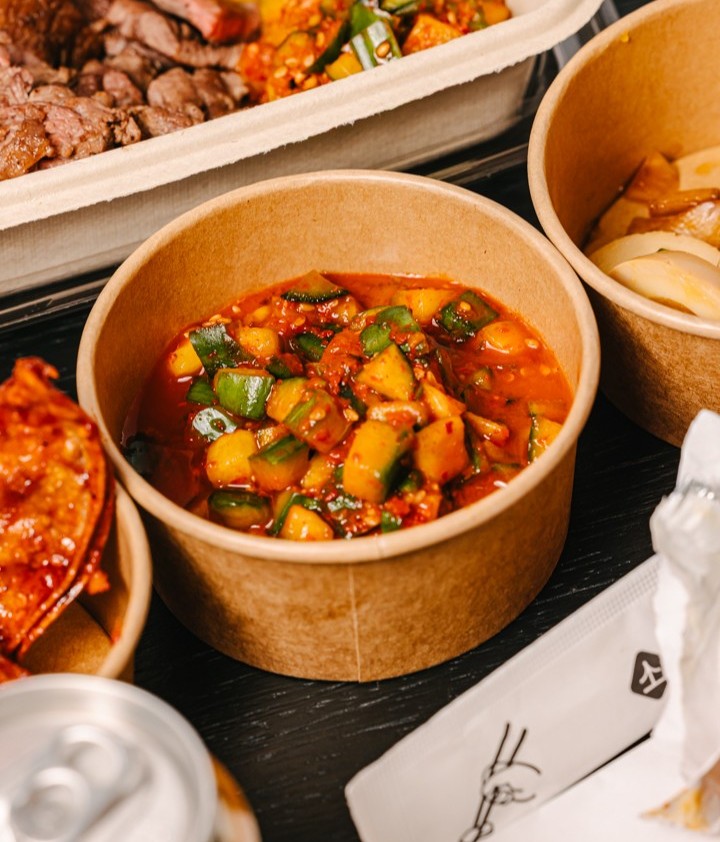
Too hungry to wait for fermentation to work its magic with your kimchi jar? We’ve got you.
Our kimchi is made in-house, from scratch, using the same ingredients we grew up eating: crisp napa cabbage, Korean gochugaru, fresh garlic, and just the right hit of funk. It’s bold, balanced, and built to stand out in every bowl we serve. You’ll find it tangled in our bowls, folded into warm rice, tucked beneath seared bulgogi, or adding a kick to our tofu. No prep. No wait. Just handcrafted flavor, served fast and full of attitude.
So skip the chopping and come hungry, we’ll take care of the rest. Or order your favorite Korean meal from Sopo today!