Purple Rice 101: Why We Love It in Our Everyday Korean Plates
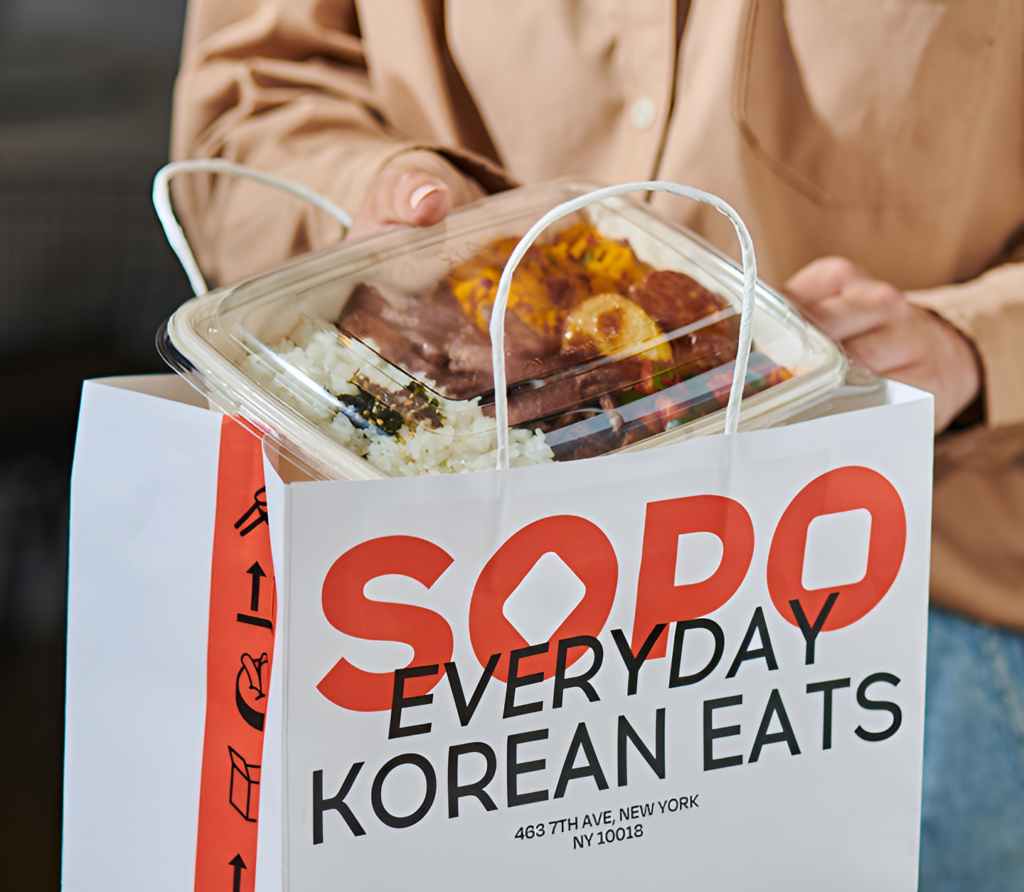
Rice is the backbone of Korean food. It shows up at almost every meal, holding everything together, making bold flavors feel grounded and complete. At Sopo, we care about the base as much as the toppings, which is why purple rice is a part of our everyday Korean plates.
It’s familiar, comforting, and flavorful without trying too hard. Purple rice adds texture, color, and balance to meals meant to fuel real workdays, not just look good on a menu.
In this blog, we’re breaking down what purple rice actually is, why it’s common in Korean eating, and why we choose it as a base at Sopo. If you’ve ever wondered why it feels different from plain white rice, this is your guide.
What Is Purple Rice? A Simple Explanation
Purple rice isn’t a separate grain or a novelty ingredient. It’s a traditional blend. Traditionally, purple rice is made by cooking white rice together with a small amount of black rice. As they cook, the darker grains release their natural color, tinting the whole pot a deep purple hue. Nothing artificial; that color comes from antioxidants (the same kind found in blueberries), making it a more nutrient-dense base for your meal.
There’s no added coloring; just rice doing what rice does. This natural tint comes from the same antioxidants found in blueberries, making it a more nutrient-dense, healthier alternative to your daily lunch. In Korean homes, this blend is common because it adds interest without altering how meals are prepared. It still eats like rice, and pairs with everything. It simply brings a little more character to the plate.
When people talk about Korean rice, they often mean purple rice. It’s a thoughtful variation on a staple that shows up every day.
Why Purple Rice Is Common in Korean Food
Korean meals are built around balance, and purple rice fits naturally into that structure. It offers a slightly firmer texture that stands up well to saucy proteins and seasoned vegetables. Visually, it adds contrast, making a plate feel complete before you even take a bite.
It pairs especially well with:
- Savory, marinated proteins
- Bold, layered sauces
- Vegetable sides that bring brightness and crunch
This is why purple rice appears so often in Korean food. It’s a base that simply works; dependable, adaptable, and satisfying in a way that supports everything else on the plate.
Purple Rice and Balanced Eating

Rice often gets treated like an afterthought or something to avoid altogether. In Korean meals, it’s neither. Purple rice serves as a steady carbohydrate that helps meals feel complete. It gives the plate structure and keeps everything else in proportion.
You get a few bites of protein, a few bites of vegetables, and rice that ties it all together. When we talk about healthy carbs, this is what we mean in practice: a base that is naturally high in antioxidants and helps you feel satisfied and steady through the day. Purple rice naturally supports that kind of balance.
Texture, Flavor, and Why It Changes the Plate
The first thing people notice about purple rice is the texture. It has a slight chew and a subtle nuttiness that plain white rice doesn’t always offer. That texture matters.
Purple rice holds up to sauces rather than absorbing them too quickly. It keeps its shape when mixed with vegetables and proteins. Flavor-wise, it stays gentle and doesn’t compete; it simply adds depth.
Compared to white rice, purple rice makes the plate feel more complete. Not heavier or more complex, just more complete. It’s the difference between a base that disappears and one that supports every bite.
How We Use Purple Rice in Our Everyday Korean Plates at Sopo
At Sopo, purple rice is a staple base because it provides a balanced, antioxidant-rich foundation for our everyday Korean plates. We cook it fresh daily at our 7th Avenue location to ensure every meal we serve in Midtown is as grounding and flavorful as a home-cooked meal. It’s especially well-suited to:
- Beef bulgogi, where the savory-sweet marinade needs a sturdy base.
- Spicy pork, where the rice helps balance the heat.
- Roasted smoked chicken with shiitake and garlic.
- Cornmeal-crusted baked tofu.
When you build a Korean plate with purple rice, everything stays in balance. It eats well, whether you’re sitting down for lunch or grabbing a few bites between meetings.
Purple Rice vs. Greens: Choosing the Right Base for Your Mood

We offer both purple rice and greens because not every day calls for the same thing. Some days, you want comfort. Something warm, grounding, and familiar. That’s where purple rice feels like the right base.
Other days, you want something lighter and fresher. Greens make sense then. Neither is better. They just serve different moments. Many of our regulars switch between them depending on their schedule, appetite, or how much time they have to eat. That flexibility is what makes Sopo a top choice for a healthy lunch in NYC. Whether you need the comfort of rice or the lightness of greens, our plates adapt to your workday.
Purple Rice in the Fast-Casual Korean Bowl Conversation
Many people search for a “Korean plate” when they’re looking for a balanced lunch. What they’re usually after is rice, vegetables, protein, and sauce all in one place.
Traditionally, Korean meals are served on plates, with rice as the anchor and sides arranged around it. Purple rice fits that structure perfectly in a fast-casual setting. It keeps meals organized, easy to eat, and satisfying without requiring a rethink of the format.
In a city like NYC, where lunches need to move fast and still deliver, purple rice makes sense. It’s familiar enough to feel approachable and interesting enough to keep people coming back.
A Better Base Makes a Better Plate
Purple rice is part of how Korean meals have been built for generations. It brings comfort without heaviness, flavor without distraction, and balance without effort.
At Sopo, that’s exactly the kind of food we want to serve; everyday Korean plates that feel thoughtful, practical, and enjoyable, whether it’s your first visit or your regular lunch spot.
Rice does more than fill space on a plate. It sets the tone for the entire meal. Purple rice brings texture, balance, and intention to Korean food without complicating it. It supports bold flavors, pairs naturally with vegetables and proteins, and makes meals feel complete.
If you haven’t tried purple rice yet, it’s worth starting here. Build a plate at Sopo, choose it as your base, and see how it changes the way the whole meal comes together.
Stay Connected with Sopo
Visit Our Midtown Location: 463 7th Ave, New York, NY 10018 (Near Herald Square)
Catering: View Corporate Catering Options
Instagram: @eatsopo (Follow for seasonal menu updates & events!)