Spicy Korean Food at Sopo Korean Eats: A Heat-Lover’s Guide to the Boldest Dishes
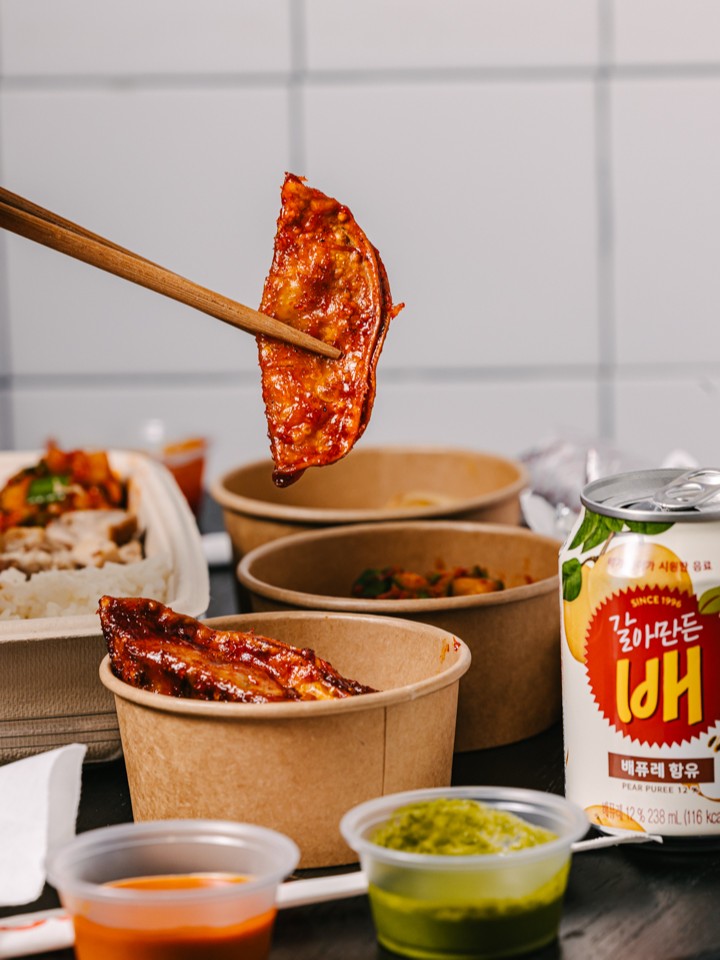
Korean food has earned its reputation for bold, layered heat. But the full picture is more interesting than a single adjective. The heat shows up in different forms, at different speeds, with different flavor profiles underneath. Some dishes carry a slow, fermented warmth. Others hit fast and stay.
In this blog, we will break down the ingredients doing the heavy lifting and help you figure out exactly where to start at Sopo Korean Eats.
Is Korean Food Actually Spicy?
Yes, but that answer needs some context. Korean spicy food is flavor-first. The heat rarely stands alone. It comes layered with fermented depth, natural sweetness, and savory umami, which means even the boldest dishes taste like food, not just fire.
The burn also tends to build gradually. You take a bite, taste something rich and complex, and then the warmth spreads. That’s a different experience from a sharp, immediate chili hit, and most people find it a lot more satisfying.
Mild and fiery options sit side by side on every Korean plate at Sopo Korean Eats. You won’t be forced into the deep end if you’re new to this. And if you’re already a heat veteran, there’s plenty on the menu to hold your attention.
Gochujang and Gochugaru: The Key Ingredients Behind Korean Heat
Two ingredients do most of the work in Korean spicy food: gochujang and gochugaru. Knowing the difference between them helps you read a menu with real confidence.
- Gochujang is a fermented chili paste, thick and deep red, with sweet, savory, and spicy notes packed into every spoonful. Because it’s fermented, the heat feels rounded rather than sharp. It’s the ingredient most people associate with Korean food, showing up in sauces, marinades, and braised dishes across the menu.
- Gochugaru is dried chili flakes. Smokier, slower, with a slightly fruity quality underneath the burn. You’ll find it in kimchi, spicy marinades, and as a finishing seasoning. It delivers a more open, direct kind of heat compared to gochujang.
Some dishes use one, some use both. That combination, or the absence of it, determines how the heat actually feels when you eat.
Sopo Korean Eats’ Korean Dishes Compared: From Mild Heat to Full Fire

At Sopo Korean Eats, our menu gives you a wide range of options. Whether you’re testing the waters or chasing serious heat, there’s a plate built for your comfort level. Here’s how things stack up, and what makes each tier worth ordering beyond the spice level alone:
Mild-to-Medium: Approachable Heat
If you aren’t in the mood for spice but want something that feels rich and satisfying, most of our menu sits here. Dishes such as beef bulgogi, smoked chicken, flat-iron steak, and baked tofu feature savory, slightly sweet, and umami-forward flavors without any real heat.
Most sides like kale namul, garlic broccoli, and sweet soy-roasted potatoes follow suit. Sauces here are more about depth, creaminess, or freshness than spice, like Ssamjang Aioli and Perilla Princess. If you’re looking for Korean food that’s bold but not blazing, this is the safest place to start.
Medium-to-Hot: Building Confidence
This is where things get a bit more exciting without being overwhelming. The most obvious example is our spicy pork plate, which delivers a steady heat that builds as you eat, but stays balanced due to the sides and base. Kimchi is in this range, too. Whether you choose our napa cabbage, cucumber, or kimchi salad, they all work together to give you tang, spice, and fermentation without going too far.
The Sweet Heat sauce is also a great option, giving a mild sweet-spicy kick that perks up the plate without taking over. If you like spice but still want control, this is the place for you.
Extra Hot: For the Committed Heat-Seeker
If you’re looking to add some heat, Fire Sauce is the way to go. This is the most aggressive and direct heat on the menu, built around Korean chili flakes and designed to cut through everything else on the plate. It doesn’t have the sweetness of Sweet Heat or the balance of kimchi; it’s sharper, faster, and more pronounced.
The best way to use it is in small quantities to enhance a bite, not cover the whole plate. If tteokbokki is your usual benchmark for Korean heat, our Fire Sauce gives you a similar chili-forward intensity without the rice cakes. And this is where the menu really shines if you actively seek out spice.
Follow this list, and sampling spicy food at Sopo Korean Eats gets a little easier.
Tips for Eating Spicy Korean Food at Sopo Korean Eats
A few simple habits make spicy Korean food a lot more enjoyable, especially if you’re working your way up the heat scale.
- Pair your plate with white rice. It absorbs heat and resets your palate between bites.
- Use cucumber kimchi to your advantage. The acidity cuts through the chili, and the cucumber gives your mouth a break without pausing the meal.
- Add one of our milder sauces to your tray when available. The contrast makes each spicy bite feel more deliberate.
- Order a drink that works with the heat, not against it. Sopo has great options like our Korean corn silk tea and Korean pear drink, which are clean, caffeine-free, and pair well with spicy plates.
These habits keep the heat manageable without competing with the flavor.
Frequently Asked Questions
Is Korean food always very spicy?
Not always. Korean food is flavor-first, with heat layered alongside sweetness, fermentation, and umami rather than overpowering the dish.
What makes Korean food spicy?
Gochujang (fermented chili paste) and gochugaru (Korean chili flakes) are the main ingredients that create different types of heat and depth in Korean dishes.
What’s a good spicy dish to try at Sopo Korean Eats first?
The spicy pork plate is a great starting point. It has a steady, balanced heat that builds without overwhelming the meal.
What is the spiciest option at Sopo Korean Eats?
Fire Sauce is the hottest option. It delivers a sharper, more direct heat and is best used in small amounts.
Which Spicy Sopo Korean Dish Should You Try First?

The right starting point depends on where you already are with spice.
New to Korean spicy food, or someone who generally stays in the mild lane? Start with one of our milder dishes and pair it with our classic drinks. You get real Korean flavor and genuine warmth without the shock. It’s the smartest first move, and it gives you an honest read on what Korean heat is actually about.
Returning heat-seeker who’s already worked through the menu? Add Sweet Heat or our Fire Sauce and turn our plates spicier. That’s where the full intensity of spicy Korean food lives.
Korean heat is about flavor depth, not just how much your eyes water. Every level on the spectrum has something worth trying, and Sopo Korean Eats is your starting point for bold, everyday Korean flavors in Midtown NYC.
Order from Sopo Korean Eats and discover the spicy Korean flavors worth coming back for.
Stay Connected with Sopo
Visit Our Midtown Location: 463 7th Ave, New York, NY 10018 (Near Herald Square)
Catering: View Corporate Catering Options
Instagram: @eatsopo – Follow for seasonal menu updates & events!